Matt Chandler provides guidance about Bible interpretation and provides an example of the David and Goliath story and how it’s sometimes incorrectly applied to us:

Matt Chandler provides guidance about Bible interpretation and provides an example of the David and Goliath story and how it’s sometimes incorrectly applied to us:
 This may be a controversial statement, but Christians can learn a lot from Muslims about honoring God. It’s sad, but true, so keep an open mind about the statement. Although they don’t have the true God, consider the following six practices:
The standards of Islam are not the standards of Christianity, so we are not to be measured by them. However, we’re to honor God in all that we do to the point of what we eat and drink. Unlike Islam, our saved is not based on our works, but by grace through faith in Jesus’ finished work. We’re to work out our salvation as a thank offering to Him, so we should be serious about our disciplines and reverence toward God. God calls us to run the race to win and fight the good fight, rather than take advantage of our freedom.
In summary, consider these three questions. Why are our spiritual practices not as consistent as reverent as the Muslims’? Are we too comfortable with seeing God as our friend and not serious about seeing Him as our Lord and honoring him as such? As we journey into this new year, how will you change how you approach God in prayer, view of the Holy Bible, use of Jesus name and spiritual disciplines of fasting?
Also see a Summary of Muslim beliefs and What Christians Can Learn from Mormons

This gallery contains 2 photos.
Across all of the blogs and Facebook posts from December, these are the best of the best Christian quotes: Charles Spurgeon: “Every other sorrow fades over time, but sorrow over sin grows as we mature.” via Desiring God Thomas Watson: … Continue reading

This gallery contains 1 photo.
In 1722 and 1723, Jonathan Edwards wrote down a list of seventy resolutions. He was twenty-one years old and proceeded to fulfill the resolutions through a prolific career as a pastor and theologian. This post summarizes his thinking and then groups the Edward’s … Continue reading
 The year in review continues…As a follow-up to the top news stories and leading books of 2011, here’s a list of the top blog posts by ministry:
The votes are in and and several different sources have selected their top books for 2011. Three of them are listed below as you consider what to spend your time reading nexts year.
Monergism’s top 10: Monergism tends to be theology focused, so many of these books are dense. It still worth skimming through to get ideas for reading in 2012
Christianity Today’s book awards: CT picks two or three books for a variety of categories including apologetics, history, Christian living, Biblical studies among others
Tim Challies top book list: Challies is an uber-blogger and mega-reader, so his list is worth paying attention to. His list covers his favorites rather than the best books, so it’s different than Monergism’s or CT’s. It includes a book on hosptiality, public schools, biographies and marriage.
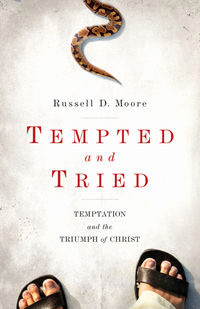
The one book that is recommended on all three lists is Tempted and Tried by Russell Moore. Tempted and Tried is about the spiritual battle of temptation. You can find a more detailed summary at Monergism Books.
For lists of all time book recommendations based on how long you’ve been a Christian, review the new Christian, growing Christian and mature Christian pages. If you need ideas for parenting books, take a look at the How to Parent page.
 Here’s one last Christmas video. This one is about the birth of Jesus and his incarnation as a baby. It’s a couple of days after the fact, but still worth watching.
 2011 has almost come and gone. We had a wedding, earthquakes, a nuclear disaster, the death of at least three famous bad guys, riots, coups and a bunch of financial confusion. What will you remember the most? Here are some dramatic pictures to jog your memory: Year in Pictures Part 1, Year in Pictures Part 2, and Year in Pictures Part 3. There are photo albums of Iraq, Japan’s crisis and nature at Boston.com Big Picture.
CNN’s list of top 2011 stories are listed by month. Yahoo has several pages dedicated to the Year in Review. The Telegraph covers the top stories for fashion, movies, music, business politics, the UK, Europe and other topics.
Christianity Today’s top ten Christian stories include Rob Bell, anti-Christian violence in Egypt, South Sudan independence and John Stott. World Magazine has an audio review covering law, economics, sports and movies at their The World and Everything in It. The Christian Post provides a different take with it’s top ten.
YouTube has a whole series of top 2011 videos, while Google summarized the year in this 2 minutes of major news images:
Merry Christmas! Hopefully you’re celebrating Jesus birthday through worship at church.
 Since we’re celebrating today, it might be helpful to get an accurate understanding of what the first Christmas ‘celebration’ was like. There are many misconceptions about the birth of Jesus. These myths were created through movies and songs that add to the information provided in the Gospels about Mary and Joseph’s journey to Bethlehem and Jesus’ birthday. Read through this list and decide which are part of Jesus’ birth story as told by the Gospels and which aren’t.
The answer to all of the items is ‘False’ because of the items underlined do not appear in the Scriptures. They are assumptions like the existence of the inn keeper, traveling via donkey and Gabriel’s (specifically) visit to Joseph or legends like the number of wise men (based on the number of gifts). None of them are part of the birth story as told by Matthew or Luke. Reread the Gospel accounts yourself in Matthew 1:18-2:18 and Luke 1:26-38; 2:1-40 and note the following facts:
This is all of the detail that we have about the first Christmas. Everything else has been added through extra-Biblical sources. Just take a look at the manger images on Google to see examples of illustrations with animals, the star on the birth night along with the wise men. The birthday story itself really ends after #6 and the Bible isn’t even clear as to whether the shepherds found Jesus the same day he was born. The wise men clearly didn’t see Jesus until some time later (possibly up to two years given Herod’s decree) because Mary and Joseph moved into a house and Jesus is described as a child rather than as a baby when the shepherds found him. Not to ruin the classic picture any more, but one more point to note is that the Gospel stories make no mention of animals in the space where Jesus was born.
One the more positive side, some cultural background will help paint a more accurate Christmas story for you:
For more details on the fact and fiction of Jesus birthday see common misconceptions about Jesus birth and nativity scene misconceptions. Jesus Through Middle Eastern Eyes by Kenneth Bailey and In the Fullness of Time by Paul Meier are good resources on this topic. They are the source of cultural background information.